 Skip to content
Battling the Number on the Scale
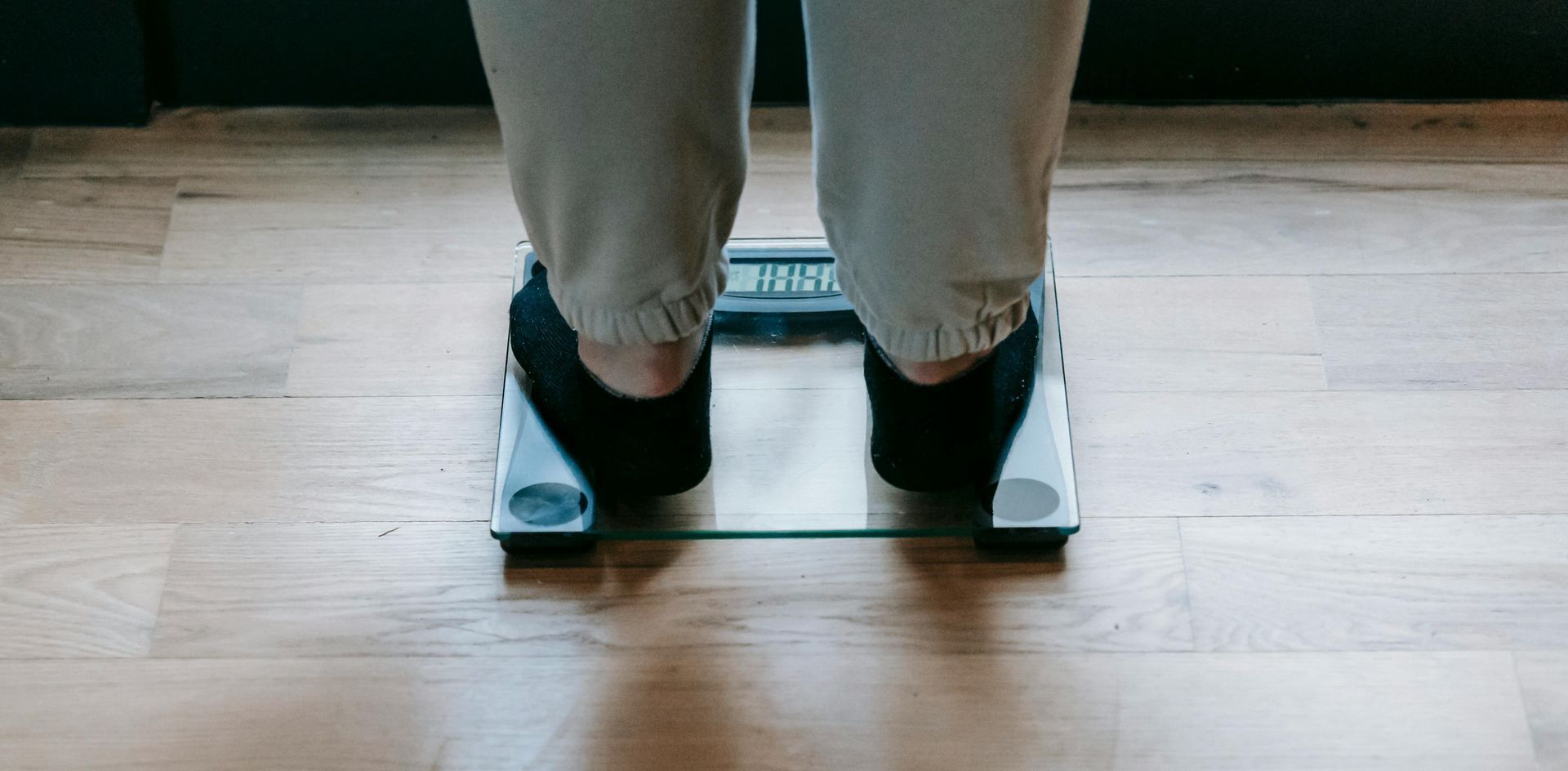
Ever found yourself frustrated by that little number on the scale? We’ve all been there – checking once in a while, hoping it reflects our efforts, only to see something completely unexpected. It’s not the workouts or diet tweaks alone that hold us back; it’s the lack of curiosity about why our bodies respond as they do and the short-term focus that leaves us feeling stuck.
When we let one single measure, like weight, dictate how we feel about our progress, we miss the bigger picture. Imagine stepping on the scale on a Sunday morning, only to feel defeated when you don’t see what you hoped. You might dread that number, avoiding the scale for weeks, then feeling confused when you check it again.
But what if we took a different approach? What if, instead of dreading or expecting, we got curious?
The Science Behind Our Body’s Dynamic Nature
Our bodies are influenced by more than just food and exercise – stress, sleep, hydration, even how our muscles recover all play a part in the fluctuations we see. When we eat carbohydrate-rich or salty foods, drink alcohol, or have a great workout, we may retain water, which can make the scale go up without affecting our body fat. Likewise, muscle soreness and inflammation are common after a good workout and can influence these fluctuations.

Embrace Daily Data Collection
Track your weight and measurements consistently. DOing this daily can reveal trends over time, giving a clearer picture of progress.

Take Regular Photos
Photos capture subtle changes. Set a routine, like taking a photo every two eeeks, to compare and notice small, meaningful shifts.
Use Multiple Metrics
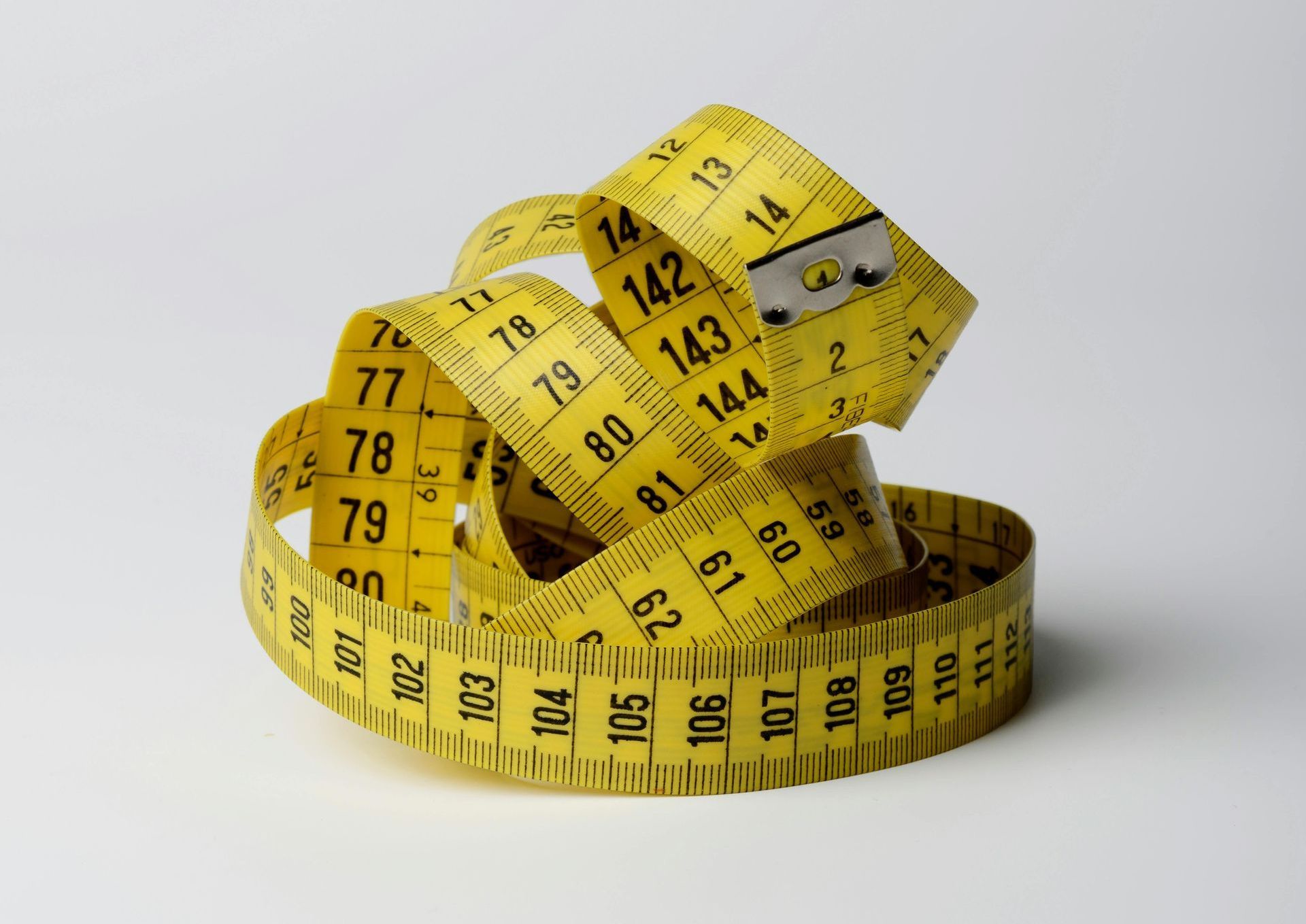
Measurements, weight, and photos together tell a more comprehensive story. Waist, hip, and even thigh measurements can help you spot progress even when the scale doesn’t budge.

Check Your Environment
Stress, hydration, sleep, and even your social surroundings impact progress. Check in on these factors and see how they’re playing a part.

Question Inconsistencies
If progress stalls or fluctuates, ask why. Is it something with your food intake, training intensity, or even how much water you’re drinking?

Focus on Building Muscle Over Fat Loss
Building muscle supports metabolism, which ultimately helps with fat loss. Shift your midset to muscle gain as a positive, long-term goal.

Set Realisitc Timelines
The body needs time to adapt. Expect changes to take twice as long as you think, so you’re prepared for a long-term transformation.

Be Kind to Your Body
Instead of demanding instant results, ask yourself, “What does my body need today?” Practice personal compassion and give yourself the grace to move at a sustainable pace.

Consistency Over Perfection
Consistency beats out perfection every time. A little bit done each day, without obsession, builds the body you want to live in.

Stay Curious and Keep Learning
Ask questions and seek understanding. Why does the scale react this way? How is my body adapting to this routine? Your curiousity fuels sustainable growth!
Our journey with fitness and health isn’t meant to be rushed. Cultivating a curious, consistent approach not only makes the journey more enjoyable, but makes the results last. Your body will respond over time — be patient, show it kindness, and never stop being curious. Keep going and remember, every small step counts!
** Content borrowed from Hungry Fitness.
